
RTH Market Prep: the PonoTrading playbook
RTH Market Prep is the desk habit in front of the first click: overnight location, clocks, expected-move bands, key levels, remaining size, and when to stand down. It is not a signal and not a forecast.
1. The trade starts before the entry
Most of what decides a session is already on the board before the first click: overnight location, how much of the expected move is already spent, which clocks are confirmed, and which levels matter for this open — not for a story about where price “should” go.
RTH Market Prep is the desk habit of putting that board in order. It is not a signal. It is not a forecast. It is the work that sits in front of execution so size, timing, and “stand down” are decisions you made with eyes open — not reactions after the first impulse candle.
If you trade ES/NQ-style RTH, prep → execute → journal is the loop. This playbook is the prep leg.
2. Prep vs prediction (the day clock)
A morning note is a day clock, not a prediction.
- Prep answers: Where did overnight leave us? What catalysts and clocks are on the ET calendar? What is the expected-move band and how much of it is already used? Which key levels and open zones matter? What size is left if we participate at all? When is the honest answer “not today”?
- Prediction answers: Where will price go? That is not our job here.
Overnight is location, not a confirmed breakout. Expected-move bands and +1SD give a sense of what the day can reasonably spend — not a target list. PDC/CDO and Confirmed clocks tables keep the session oriented to what is already true versus what is still rumor or unconfirmed.
When the note says “what is already spent,” treat it as inventory of the session’s range budget — not as permission to chase the remainder, and not as a guarantee that the rest will be used.
Size only what’s left. If most of the band is already gone before the RTH open you care about, the honest prep outcome is often smaller size or no trade — not a cleverer entry.
3. The RTH Market Prep checklist
Use this in order. Skip nothing because it feels obvious; the point is a repeatable open.
- Overnight map — Mark overnight as location. Note where we sit relative to prior day and any obvious overnight structure. Do not promote overnight strength or weakness into a confirmed breakout until the clocks and your rules say so.
- Catalysts / clocks (ET) — List the day’s known catalysts and clocks on Eastern Time. Prefer Confirmed clocks tables over headline noise. Know what is scheduled before you invent urgency.
- Expected-move bands — Note the expected-move / +1SD context for the session. This frames “how much day is left,” not where price must go.
- Key levels / open zones — PDC/CDO and the levels you actually trade off for this open. Keep the list short and honest.
- What’s already spent — How much of the expected-move band (and related overnight travel) is already used? Write it down so size later is not wishful.
- Size only what’s left — If you participate, size against remaining room and your risk rules — not against the full band as if the morning never happened.
- When not to trade — Stand-down conditions: band largely spent, clocks unclear or conflicting with your plan, no clean open zone, or you are behind the desk emotionally. Prep includes the decision to stay flat.
4. Reading today’s RTH Market Prep note
Daily notes follow the same desk language:
- Overnight = location, not confirmed breakout.
- Expected-move bands / +1SD = context for what the session can spend.
- PDC/CDO and Confirmed clocks = orientation, not entries.
- “What is already spent” = inventory before size.
- Size only what’s left = risk discipline after inventory.
Read the note as a clock for the day you are about to trade. If something is not on the board, do not invent it to “complete” the prep. Incomplete honesty beats filled-in fiction.
When you disagree with a framing, note it in your journal — the loop closes after the close, not by rewriting the morning.
Browse the daily archive: RTH Market Prep.
5. Closing the loop (journal / Closing Bell)
Prep without a close is half a habit.
- After the session, journal against what you wrote in the morning: location vs how RTH actually traded, what was spent vs what you sized, clocks that mattered vs noise you chased.
- Closing Bell is the end-of-day note. Use it (or your own close process) to mark the day done so tomorrow’s prep starts clean.
The loop is prep → execute → journal. RTH Market Prep owns the front. Closing Bell and your journal own the back. Neither is a scorecard for being “right about direction.”
6. Where tools fit
Tools support the checklist; they do not replace it. Setup pages carry the how-to; this playbook stays at desk intent.
| Need | Where it fits | Link |
|---|---|---|
| Chart / levels on TradingView | TradingView setup | How to set up TradingView |
| Execution on NinjaTrader | NinjaTrader setup | How to set up NinjaTrader |
| Broader tool map | Tools catalog | Trading tools |
| Band / +1SD context | Expected moves education | How to trade expected moves |
| Risk-first framing | Survive First risk plan | Survive First Daily Futures Risk Plan |
| Free prep community | Free Futures Prep Room | Free Futures Prep Room |
| Membership | Pricing and join | Pricing · Join Haumana · Join Kahuna |
7. FAQ
What does “overnight move” mean in RTH Market Prep?
Overnight describes where price traveled and where we open relative to that travel. It is location on the map. It is not, by itself, a confirmed breakout or a reason to treat Globex strength/weakness as an RTH thesis. Confirmation belongs to your rules and to Confirmed clocks — not to the fact that overnight moved.
What is a “spent” expected-move band?
Expected-move / +1SD context describes how much range a session might reasonably use. “Already spent” is how much of that budget overnight (and early session, if relevant) has already consumed. It is inventory. It does not mean the remainder must print, and it does not mean you should force trades to “use” what is left. Often it means size down or stand down.
When should I stand down?
Stand down when prep says the honest conditions are not there: most of the band already spent for the window you trade, catalysts/clocks you cannot reconcile with your plan, no clean key levels / open zone, or you know you are not flat emotionally. “When not to trade” is item 7 on the checklist for a reason — flat is a valid RTH outcome.
Related Articles

Cake Before Icing: A Sustainable Framework for Growing a Prop-Trading Business
Secure personal needs, taxes, reserves, operating costs, and a repeatable process before using realized prop-trading results to fund additional accounts or complexity.
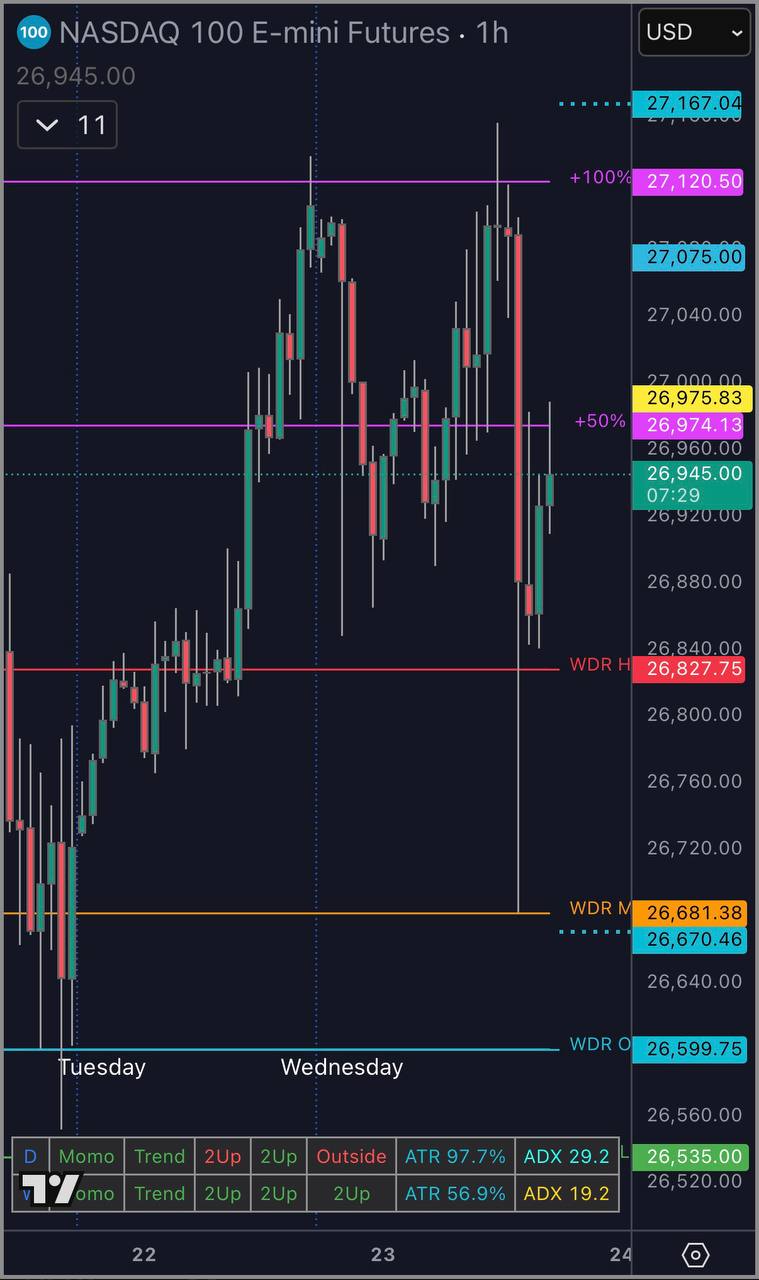
The Weekly Dealing Range Median: The One Level That Caught the Low to the Tick
Today NQ tagged a projected level to the exact tick and reversed. That level wasn't Fibonacci. It wasn't a moving average. It was the Weekly Dealing Range Median — the most underused level in retail trading.
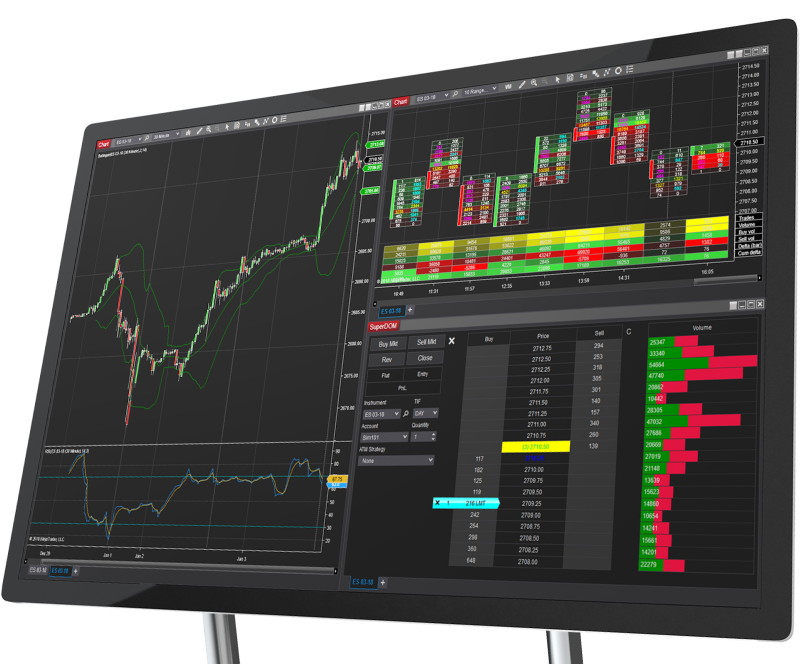
How to Set Up NinjaTrader & Connect Your PonoTrading Indicators
Learn how to create a free NinjaTrader account, download NinjaTrader 8, install the platform, and connect your PonoTrading indicators the right way.